 HOME
HOME


- Laboratory Medicine
- Liver Function Tests, Renal Function Tests, Blood Glucose Test, Anemia Test, Leukemia Screening, Bone Marrow Examination, Bacteriology Test, Tuberculosis (TB) Test, Tumor Marker Test, Hepatitis Antigen/Antibody Test, Syphilis Test, AIDS/HIV Test
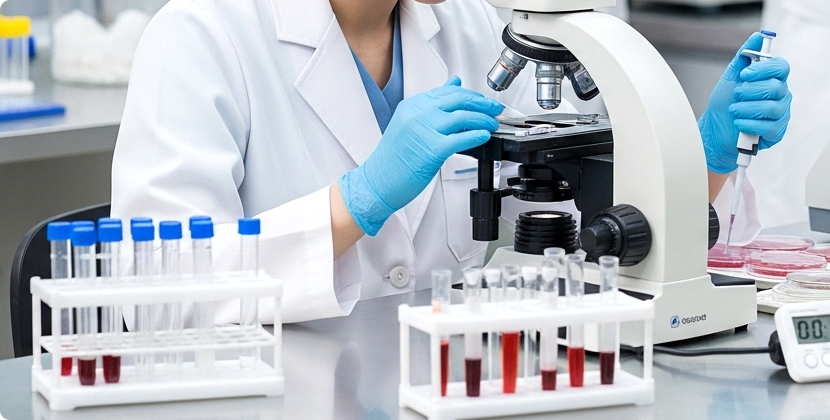
Laboratory Medicine performs tests on blood, urine, and other specimens to diagnose, guide treatment, and monitor disease. Over 70% of medical decisions rely on lab results, making it a foundational and central discipline. We test a wide array of specimens—blood, urine, stool, body fluids—and identify pathogens (bacteria, viruses, fungi) or their antibodies for infectious disease diagnosis. Our laboratory is organized by test principles and targets: clinical chemistry, hematology, microbiology, immunology, blood bank, and urinalysis; we also operate a phlebotomy room and inpatient phlebotomy team. We ensure transfusion safety via accurate blood typing, crossmatching, and stringent storage/handling to supply safe blood promptly. In cooperation with Infection Control, we prevent and contain hospital-acquired infections by identifying pathogens and performing antimicrobial susceptibility to monitor resistant organisms. During emerging outbreaks (e.g., COVID-19), we rapidly establish testing systems to protect patients and staff. Our top priority is accurate, rapid reporting. Because most targets are microscopic cells or molecules, rigorous quality control is essential; we maintain internal QC and QI, participate in external quality assurance, and hold superior laboratory accreditation. Fast turnaround is also critical to reduce waiting and avoid unnecessary revisits. We manage the full pathway from order to report and continuously shorten processing times. We will keep delivering state-of-the-art, quality-controlled, patient-centered diagnostics.
